

Therapy Services
Meeting you at each point of the allied health experience.
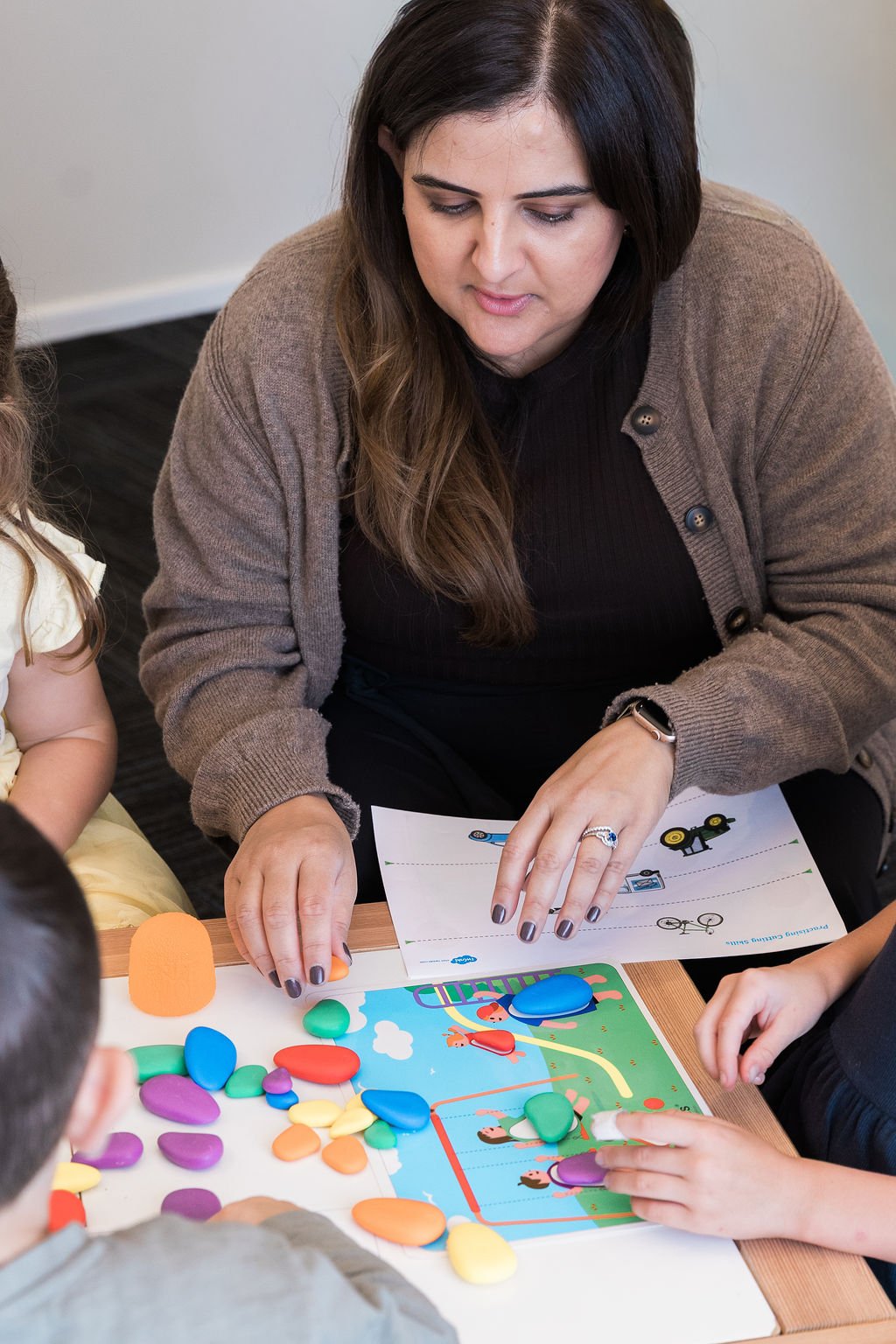

Speech Pathology
What communication and language skills do you support?
We help children and young people with their communication, language and early literacy skills so that they can participate confidently at home, in early learning, and at school. We provide assessment, therapy and practical strategies that strengthen understanding, expression, social communication and speech sound skills.
How do I know if my child needs a speech pathology referral?
A Speech Pathology referral is suitable when a child is finding it hard to be understood, struggling with listening or following instructions, developing vocabulary or sentence structure more slowly than expected, or having difficulty finding words and sharing ideas. We also receive referrals for literacy difficulties, social communication differences, complex communication needs including AAC and stuttering.


Occupational Therapy
What does a practical, collaborative OT approach look like?
We help children and young people develop the functional skills they need to participate comfortably and confidently in their everyday activities. OT can support with building independence, strengthening motor skills, supporting sensory differences and developing the ability to manage emotions, routines and school demands. Our approach is practical, collaborative and grounded in evidence, with strategies that can be woven into home, school and community settings.
How do I know if my child may benefit from Occupational Therapy?
A referral to Occupational Therapy may be helpful if your child is finding fine motor tasks such as handwriting or using scissors difficult, when there are challenges with balance, coordination or overall motor skills, or when sensory processing differences are affecting their attention, behaviour or participation. OT may also be suitable when a child needs support with emotional regulation, executive functioning, organisation, self-care routines, play skills or keeping up with the physical and organisational demands of school.
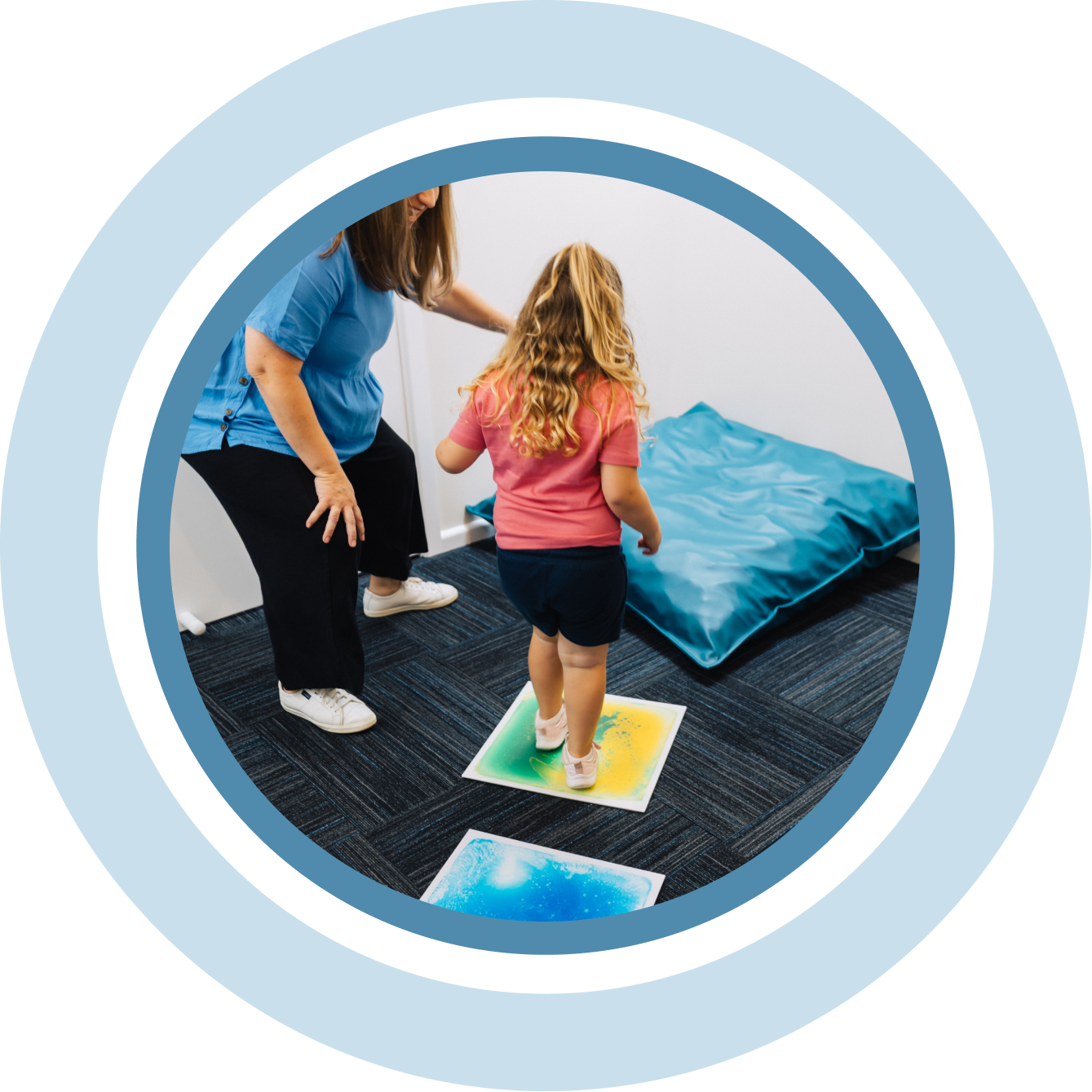
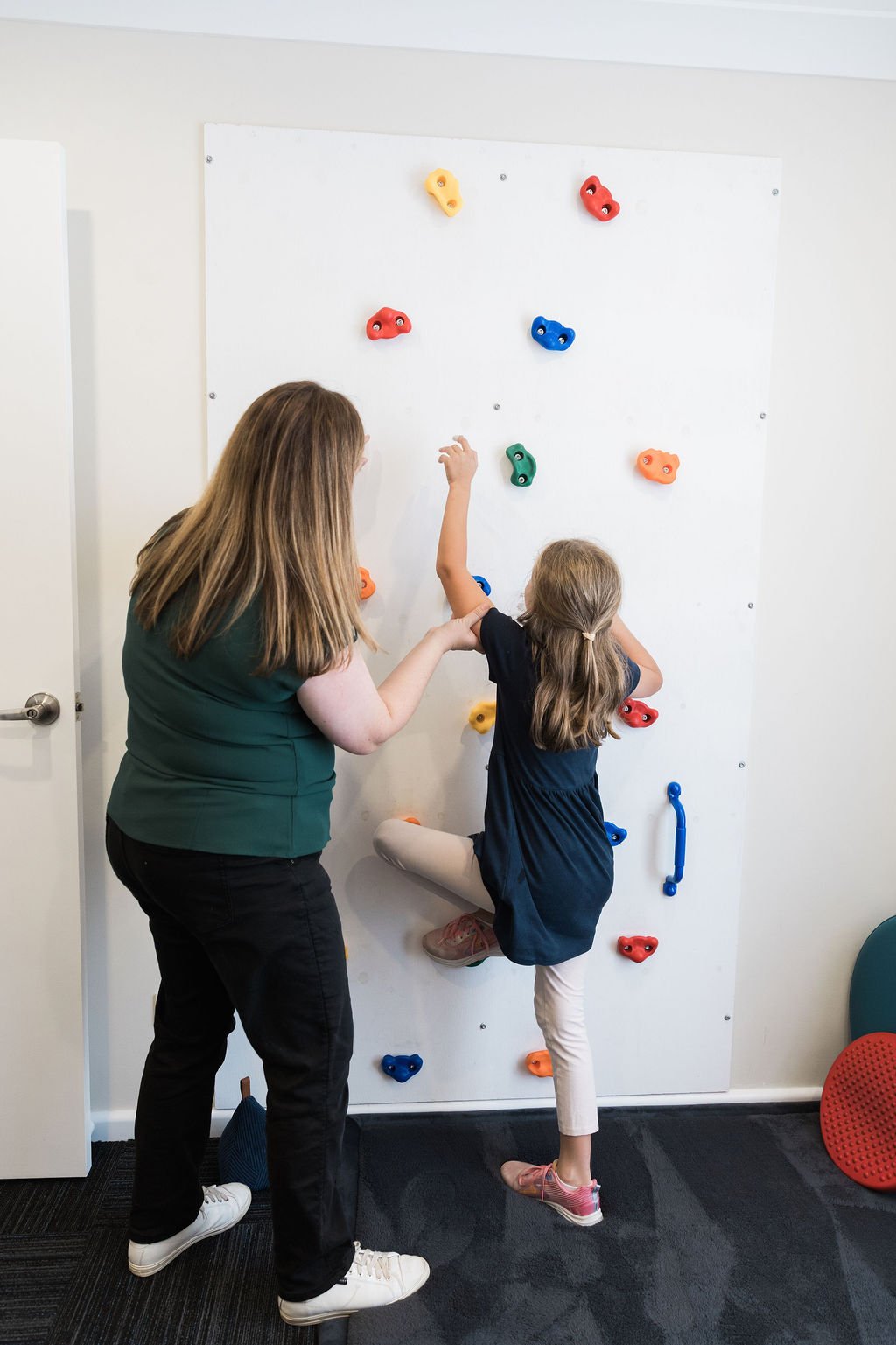

Physiotherapy
How can Physiotherapy support my child’s movement and confidence?
Physiotherapists can support children to develop strength, coordination and confidence in their movement. Our Physiotherapist has extensive experience in paediatric disability and works with children to build functional skills that support participation at home, in early learning and at school. Sessions focus on building motor foundations, improving mobility and helping children move safely and comfortably through their daily routines.
How do I know if my child may benefit from Physiotherapy?
You might refer to Physiotherapy when a child is showing delays in motor milestones, finding balance or coordination challenging, or presenting with low muscle tone, posture concerns or difficulties with physical endurance. Physiotherapy is also suited to children with neurological conditions such as cerebral palsy, or those who need support with gait, strength, mobility, playground skills or participation in physical activities. Our Physiotherapist tailors each program to the child’s goals and provides practical strategies that can be used across everyday settings.

Allied Health Assistant Support
What is an Allied Health Assistant (AHA)?
Allied Health Assistants (AHA) at DOTS work under the guidance of our qualified therapists to help children practise and build their skills. AHA sessions are structured, focused and designed to support the therapy plan created by a Speech Pathologist, Occupational Therapist or Physiotherapist.
When might my child benefit from Allied Health Assistant support?
You might request AHA support when a child needs more regular practice between therapy sessions, support to use their skills in everyday situations, or steady repetition to progress communication, regulation, fine motor or movement goals. It’s a practical and affordable way to boost a child’s progress while still being closely supervised by a therapist.

How To Reach The DOTS Team
-
Submit a referral here.
-
Someone from the DOTS Therapy Hub team will get in touch with you to find out more about your child, therapy options that may be suitable as well as give information about appointments and costs.
-
We will schedule an initial consultation - we aim to find a time that suits you and your family.
If suitable appointments are not available at the moment, we will give you information about our waiting list and expected wait times. -
We will contact you again to find out more about your child - this includes details like things that they like, ways to help them feel comfortable when coming to a session as well as areas that they are finding challenging.
-
Come into DOTS Therapy Hub and meet your child’s therapist.

Get Started With Confidence.
-
Yes, we offer both fortnightly and weekly sessions depending on your child’s needs, your preferences, and therapist availability. We’ll work with you to create a schedule that supports your child’s progress and fits into your family routine.
-
Yes, we offer standardised assessments. We will talk to you about these options and work out what will be the best fit for your child.
-
Yes, we will collaborate with your child's school/preschool. While we may not be able to offer a regular therapy session for your child in their school environment, we will be in contact with your child's education team so that we are working together to support the best outcomes for your child.
-
Yes, we are a Registered NDIS Provider. We support children with NDIA-managed, plan-managed, or self-managed funding under Capacity Building supports.
-
You do not need a referral to access our services.
However, if you wish to claim a rebate from Medicare, you must have a referral from your GP.
-
Yes, you can request a specific therapist. While we do our best to accommodate preferences, availability may affect how soon we can begin. We’ll always aim to match your child with the most suitable team member.
-
There may be a waiting list depending on your request - for a specific therapist, preferred time, or type of service requested. We review our waitlist regularly and will contact you as soon as a suitable spot becomes available.

Start your enquiry
